
Get Water Hydrant Replacement
Water hydrant replacement services involve local contractors replacing or repairing fire hydrants to ensure proper function and safety for property owners.
Property owners considering water hydrant replacement often seek reliable local service providers to ensure their systems function properly and meet safety standards. Whether upgrading outdated equipment, addressing corrosion, or preparing for new infrastructure needs, having access to experienced local contractors can make planning these projects more straightforward. Exploring options within the area allows property owners to compare services and find solutions tailored to their specific requirements.
Continuing to review local water hydrant replacement services can help property owners make informed decisions about their maintenance and upgrade plans. Connecting with qualified service providers in the community offers a practical way to understand available options and determine the best approach for their property’s needs. Keep reading to discover how local contractors can assist with your water hydrant replacement project.
- Water Hydrant Replacement - needed when fire hydrants are damaged or malfunctioning and require urgent replacement.
- Water Hydrant Replacement - necessary during infrastructure upgrades or city improvements to ensure reliable fire protection.
- Water Hydrant Replacement - required after severe weather events or accidents that compromise hydrant functionality.
- Water Hydrant Replacement - appropriate when existing hydrants are outdated and need modernized to meet current standards.
- Water Hydrant Replacement - essential for maintaining compliance during municipal or private property fire safety inspections.
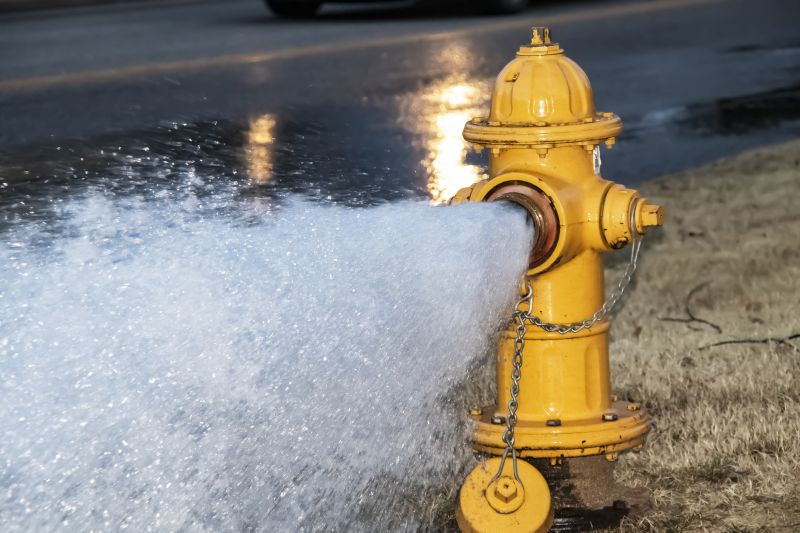
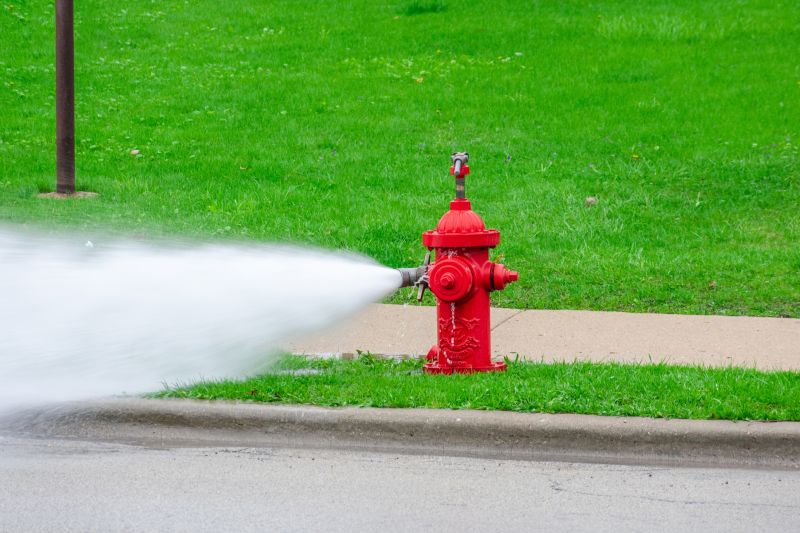
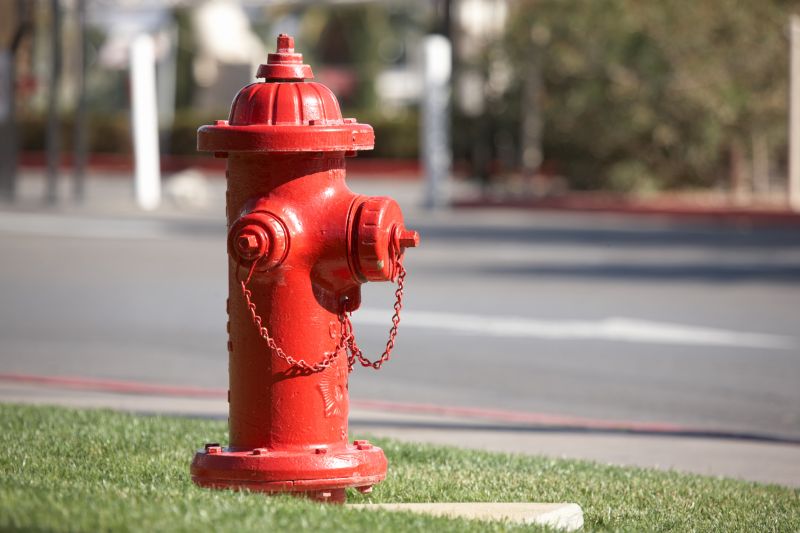
Water hydrant replacement services involve removing old or damaged fire hydrants and installing new, fully functional units. This process ensures that fire protection systems remain reliable and effective for homes and properties that rely on municipal water access. The work typically includes assessing the existing hydrant, excavating the area, replacing or repairing connecting pipes if needed, and securely installing the new hydrant to meet local standards. Skilled service providers handle all aspects of the replacement to ensure proper operation and long-term durability.
This service helps solve problems such as leaking, corroded, or broken hydrants that may compromise fire safety or lead to water wastage. Over time, exposure to weather, soil conditions, and age can cause hydrants to deteriorate, making them unreliable in emergencies. Replacing outdated or damaged hydrants reduces the risk of failure during a fire, prevents potential water leaks that can cause property damage, and ensures compliance with local fire safety regulations. It’s an essential maintenance step for maintaining the safety and integrity of a property’s fire protection system.
Properties that typically require water hydrant replacement include residential neighborhoods, apartment complexes, commercial buildings, and municipal facilities. Any property with a fire hydrant that has become compromised or outdated may need this service to maintain fire safety standards. Additionally, properties undergoing renovations or infrastructure upgrades often need hydrant replacements to accommodate new layouts or meet updated safety codes. Local contractors experienced in hydrant work can evaluate existing units and recommend the appropriate solutions to ensure reliable fire protection.
Homeowners and property managers should consider water hydrant replacement if they notice signs of damage such as visible rust, leaks, or reduced water pressure during testing. Aging hydrants that are no longer functioning properly can pose serious safety risks and may result in costly repairs if left unaddressed. When a hydrant is difficult to operate or appears corroded, contacting local service providers for an inspection and potential replacement can help maintain the safety and functionality of the property’s fire protection system. Properly maintained hydrants are vital for ensuring quick response times in emergency situations.
The overview below groups typical Water Hydrant Replacement projects into broad ranges so you can see how smaller, mid-sized, and larger jobs often compare in your area.
In many markets, a large share of routine jobs stays in the lower and middle ranges, while only a smaller percentage of projects moves into the highest bands when the work is more complex or site conditions are harder than average.
Smaller Repairs - Minor hydrant repairs or part replacements typically cost between $250 and $600. Many routine maintenance jobs fall within this range, depending on the extent of the work needed.
Partial Replacement - Replacing a water hydrant or replacing certain components generally ranges from $600 to $1,200. Larger, more involved projects can sometimes reach $2,500, but most fall into the middle of this range.
Full Hydrant Replacement - Completely replacing an existing fire hydrant usually costs between $2,000 and $4,000. This is common for standard projects, with fewer cases exceeding $5,000 for complex installations.
Large or Complex Projects - Extensive hydrant system overhauls or custom installations can cost $5,000 or more. These projects are less frequent but are handled by experienced local contractors for specialized needs.
Actual totals will depend on details like access to the work area, the scope of the project, and the materials selected, so use these as general starting points rather than exact figures.
Fire sprinkler system installation - involves working with underground piping and valves, similar to water hydrant replacements, requiring planning and plumbing skills.
Municipal water line repair - includes locating, excavating, and replacing underground water lines, sharing technical expertise with hydrant replacement projects.
Underground utility installation - requires trenching, pipe laying, and system connections, which are skills applicable to installing or replacing water hydrants.
Storm drain system upgrades - involves excavation and pipe installation, paralleling the planning and execution needed for hydrant replacements.
Backflow prevention device installation - entails plumbing and system setup that complement the skills used in hydrant replacement services.
Water main valve replacement - includes excavation and pipe handling, aligning with the technical and planning aspects of hydrant system upgrades.
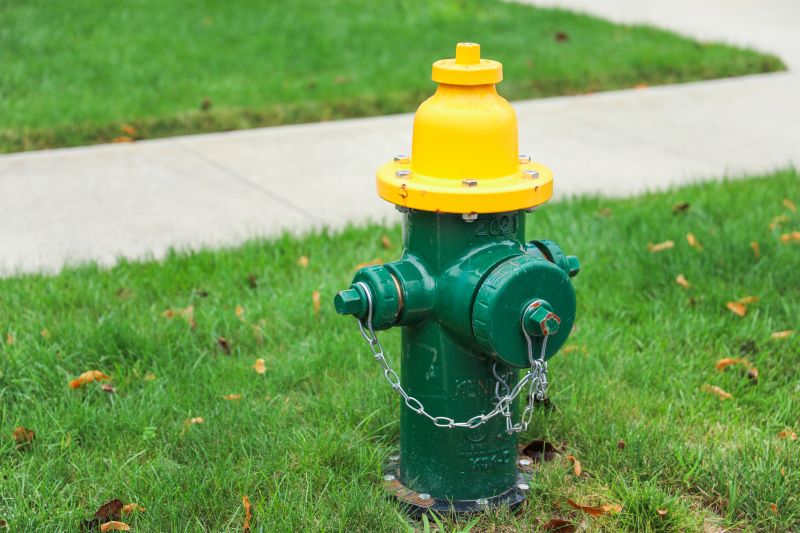
When comparing service providers for water hydrant replacement, it’s important to consider their experience with similar projects. Contractors who have handled water hydrant replacements before are more likely to understand the nuances of the work, including proper installation techniques and potential challenges. Looking into their background can help ensure they have the relevant knowledge to perform the job effectively and efficiently, reducing the risk of issues down the line.
Clear written expectations are also a key factor when evaluating local contractors. A reputable provider should be able to communicate what the project entails, including the scope of work, materials used, and any necessary preparations. Having these details in writing helps establish mutual understanding and sets a foundation for a smooth process, making it easier to compare options and ensure everyone is on the same page.
Reputable references and good communication are essential qualities to look for in local service providers. Contractors with positive references from previous clients can offer insights into their reliability and quality of work. Additionally, open and responsive communication throughout the process indicates professionalism and a commitment to customer service. These factors can help homeowners feel more confident in selecting a provider who is dependable and transparent, ensuring the project proceeds with minimal misunderstandings.
Property owners use Water Hydrant Replacement services for practical projects around their homes and businesses. This guide focuses on everyday jobs and straightforward project options.
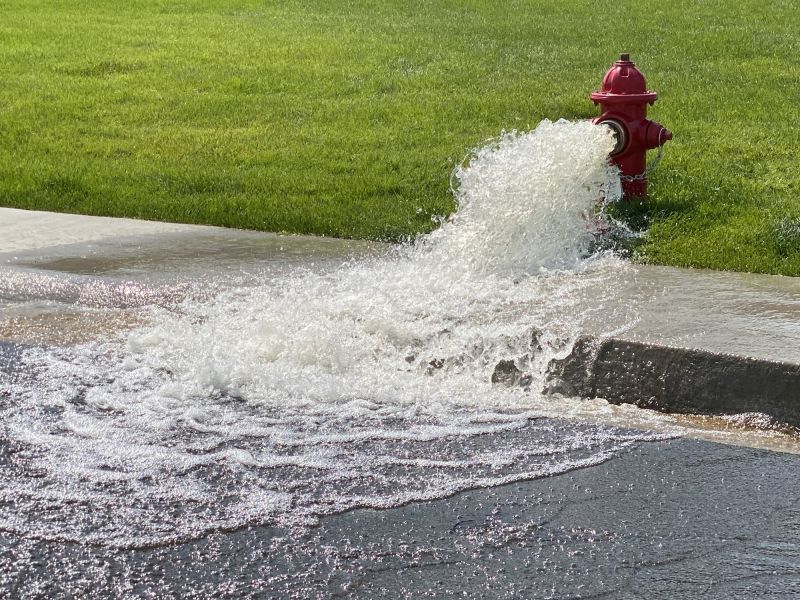
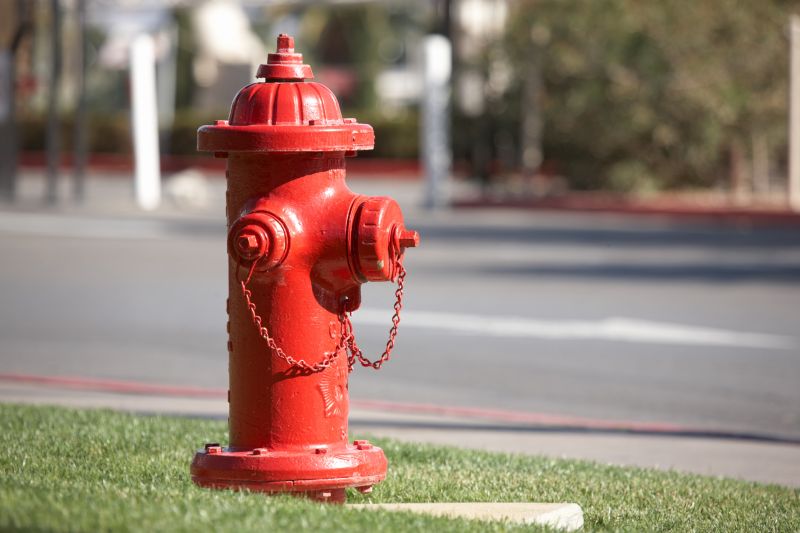
Water hydrant replacement is a common project for property owners facing issues like corrosion, leaks, or damage to existing fire safety infrastructure. In many cases, aging or faulty hydrants can hinder fire protection efforts or lead to water wastage, prompting property managers or homeowners to seek reliable local contractors for prompt and effective replacements. These service providers are experienced in handling different types of hydrants, ensuring that the work complies with safety standards and local regulations.
Property owners might also look for water hydrant replacement services after experiencing pressure problems or during routine inspections that reveal wear and tear. Whether upgrading to newer models or replacing damaged units, local contractors can assist with the installation process to help maintain the safety and functionality of fire suppression systems. Connecting with experienced service providers ensures that the work is completed efficiently, minimizing disruptions and safeguarding property and community safety.
What are common reasons to replace a water hydrant? Water hydrants may need replacement due to corrosion, damage from freezing, or wear over time that affects their functionality and safety.
How can I tell if a water hydrant needs to be replaced? Signs include leaks, difficulty operating the valve, rust buildup, or visible damage that cannot be repaired effectively.
What types of water hydrants are available for replacement? There are various types, such as dry barrel and wet barrel hydrants, which are selected based on the specific needs of the property and local regulations.
Are there different materials used for water hydrant replacement? Yes, hydrants can be made from materials like cast iron, ductile iron, or bronze, chosen for durability and suitability to the environment.
How do local contractors handle water hydrant replacements? Local service providers typically assess the site, remove the old hydrant, and install a new unit, ensuring proper connection to the water supply and compliance with local standards.
Ensure water supply reliability - Replacing a water hydrant can prevent leaks and ensure consistent water flow for daily property needs.
Improve fire safety readiness - Upgrading hydrants helps maintain proper pressure and functionality in case of emergencies.
Replace aging infrastructure - Updating old or corroded hydrants reduces the risk of failure during critical moments.
Maintain property code compliance - Ensuring hydrants meet local standards helps avoid potential violations and penalties.
If you are thinking about Water Hydrant Replacement for a property, this guide is meant to help you understand the work, the typical project types, and how different options might fit your plans.
When you are ready, you can use the quote form on this page to share a few details about your project. From there, local pros can review the basics and respond with options that match what you have in mind.