
Get Ground Hydrant Installation
Ground hydrant installation services help property owners ensure reliable fire protection by installing durable, code-compliant fire hydrants for commercial, industrial, or large residential sites.
Ground hydrant installation is an important consideration for property owners seeking reliable access to water in emergency situations or for ongoing maintenance needs. Whether you're planning for a new development, upgrading existing infrastructure, or ensuring your property is prepared for unforeseen events, having a dependable ground hydrant can enhance safety and operational efficiency. Exploring local contractors experienced in this work can help you compare options and find solutions tailored to your property's specific requirements.
By reviewing services offered by local contractors specializing in ground hydrant installation, property owners can make informed decisions about the best approach for their project. These professionals understand the unique needs of the area and can provide guidance on planning and implementation. Continuing to explore your options ensures you select a service provider equipped to handle your project effectively and efficiently.
- Ground Hydrant Installation - needed when establishing reliable water access for firefighting in commercial or industrial properties.
- Fire Protection System Setup - required during the development of new facilities or upgrades to existing fire safety infrastructure.
- Emergency Water Supply Installation - essential for sites that need a backup water source in case of fire or other emergencies.
- Property Development Projects - necessary when preparing land for construction that requires on-site fire suppression capabilities.
- Fire Department Access Improvements - needed to ensure quick and efficient water delivery during firefighting operations.
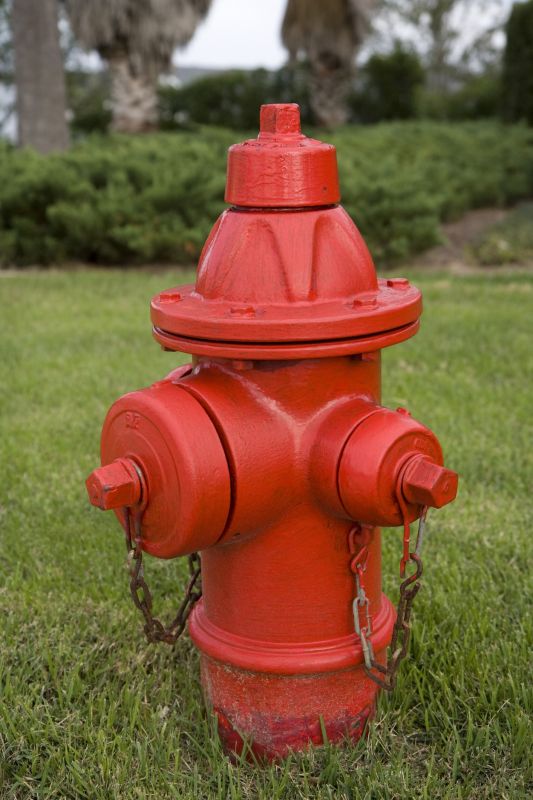
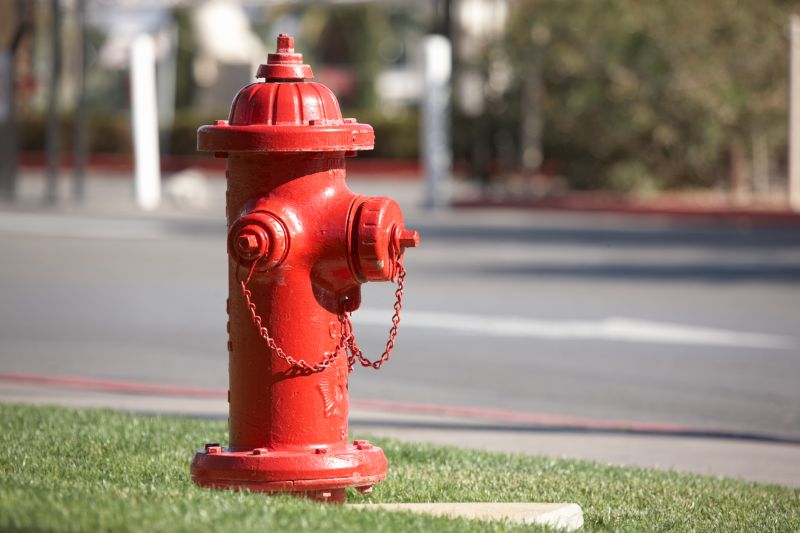
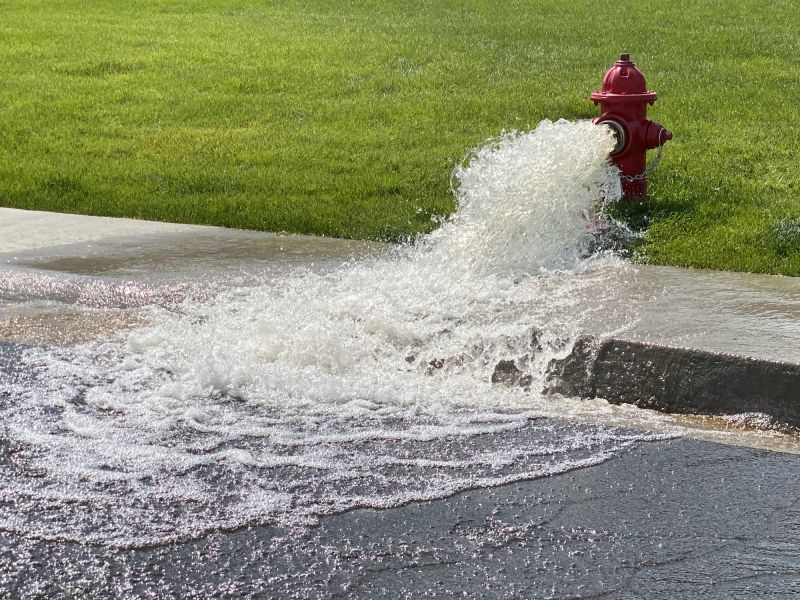
Ground hydrant installation services involve placing specialized water outlets underground to provide reliable access to water in emergency situations or for property maintenance. These systems are typically installed by experienced contractors who understand the importance of proper placement and connection to existing water lines. The process includes digging the appropriate trench, installing the hydrant assembly, and ensuring it is securely connected to the main water supply. Once installed, these hydrants remain hidden beneath the surface but can be quickly accessed when needed, offering a practical solution for managing water flow on a property.
This service helps address common problems such as inadequate water access during firefighting efforts, especially in properties where existing water sources are limited or difficult to reach. Ground hydrants are also useful for irrigation, landscaping, and maintenance tasks that require a steady and accessible water supply. They eliminate the need for long hoses or temporary setups, saving time and effort during critical moments. Proper installation ensures the hydrant functions reliably over time, reducing the risk of leaks, blockages, or failure when water is most needed.
Properties that typically utilize ground hydrant installation include residential estates, commercial properties, farms, and industrial sites. Large properties with extensive landscaping or outdoor facilities often depend on these underground water outlets for efficient irrigation or emergency access. Fire departments may also recommend or require ground hydrants for properties with high fire risk, as they provide quick and easy water access without disrupting daily activities. Whether for safety, convenience, or operational needs, ground hydrants serve a practical role across various property types.
When considering ground hydrant installation, homeowners and property managers should evaluate their water access needs and property layout. These systems are especially beneficial for properties that require a reliable, easily accessible water source for emergencies or regular maintenance. By working with local contractors experienced in ground hydrant installation, property owners can ensure the system is properly integrated into their existing water infrastructure. Connecting with qualified service providers can help determine the best placement and ensure the hydrant functions effectively when it’s needed most.
The overview below groups typical Ground Hydrant Installation projects into broad ranges so you can see how smaller, mid-sized, and larger jobs often compare in your area.
In many markets, a large share of routine jobs stays in the lower and middle ranges, while only a smaller percentage of projects moves into the highest bands when the work is more complex or site conditions are harder than average.
Smaller Repairs - Typical costs for minor ground hydrant repairs or component replacements usually range from $250 to $600. Many routine maintenance jobs fall within this band, depending on the scope of work and parts needed.
Standard Installations - Installing a new ground hydrant in a standard setting generally costs between $1,000 and $2,500. Most projects of this size and complexity tend to land in the middle of this range, with fewer reaching the higher end.
Full Replacement - Replacing an existing ground hydrant with a new one can range from $2,500 to $5,000, especially for larger or more complex sites. Larger projects or those requiring extensive site prep can surpass this range, but such cases are less common.
Custom or Complex Projects - Large or custom ground hydrant installations, including extensive piping or difficult access, can cost $5,000 or more. These projects are typically tailored to specific site needs and represent the upper end of typical costs.
Actual totals will depend on details like access to the work area, the scope of the project, and the materials selected, so use these as general starting points rather than exact figures.
Underground Water Line Installation - This project involves planning and installing underground piping systems, requiring similar trenching and excavation skills as ground hydrant setups.
Fire Sprinkler System Installation - Installing fire sprinkler systems involves underground piping and precise planning, aligning with the skills needed for ground hydrant placement.
Irrigation System Installation - Setting up irrigation systems requires trenching, pipe fitting, and underground work comparable to ground hydrant installation projects.
Storm Drainage System Construction - Building storm drainage involves underground piping and excavation, utilizing tools and planning methods similar to those used in hydrant installation.
Utility Pole and Conduit Installation - Installing underground conduits for utilities involves trenching and planning that are relevant to ground hydrant setup processes.
Water Main Replacement - Replacing or installing water mains involves underground piping and excavation work, sharing core skills with ground hydrant installation projects.
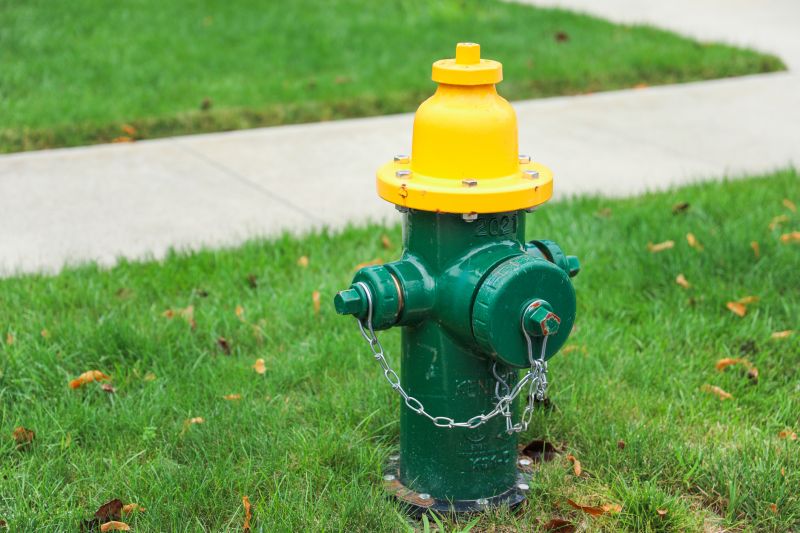
When comparing service providers for ground hydrant installation, it’s important to consider their experience with similar projects. Homeowners should seek out local contractors who have a proven track record of successfully completing ground hydrant installations in environments comparable to their own. Asking for examples of past work or references can provide insight into a contractor’s familiarity with the specific requirements and challenges of this type of installation, helping to ensure the chosen professional has the relevant expertise.
Clear, written expectations are essential for a smooth project. Homeowners should look for service providers who can provide detailed proposals or estimates that outline the scope of work, materials, and any other relevant details. This transparency helps prevent misunderstandings and ensures that both parties are aligned on what the project entails. Open communication about expectations also makes it easier to address any questions or concerns early in the process, leading to a more seamless experience.
Reputable references and good communication are key indicators of quality service. Local contractors who can provide references from previous clients demonstrate a history of reliable work. Additionally, service providers who are responsive and clear in their communication can help foster trust and keep the project on track. While the site introduces homeowners to options for local pros, it’s important for homeowners to evaluate each provider’s reputation and communication style to find the best match for their ground hydrant installation needs.
Property owners use Ground Hydrant Installation services for practical projects around their homes and businesses. This guide focuses on everyday jobs and straightforward project options.
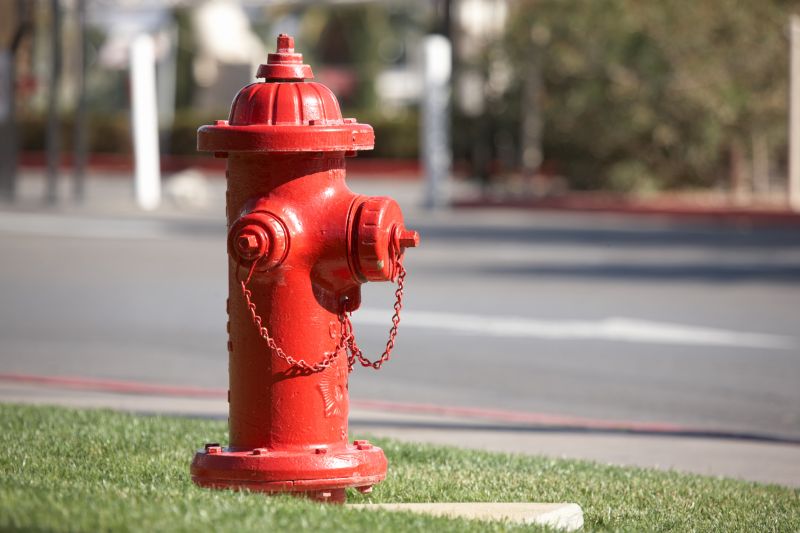
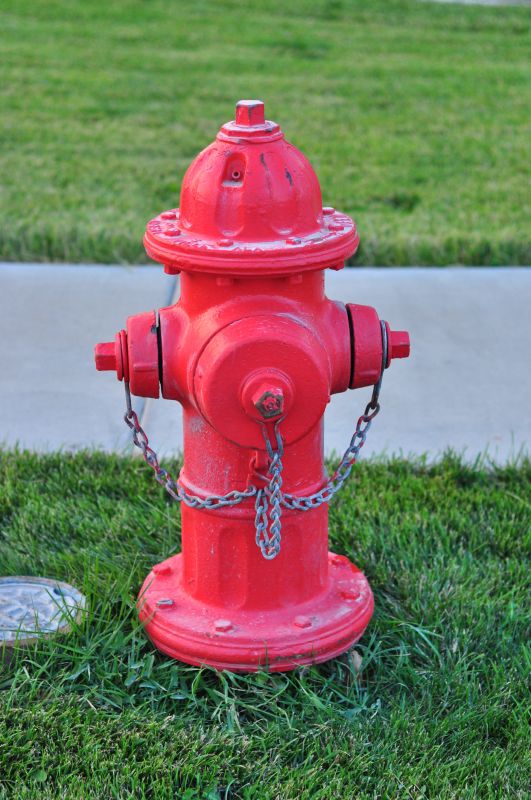
Ground hydrant installation is a common project for property owners managing large landscapes, commercial sites, or outdoor facilities. Local contractors are often called upon to install these systems when there is a need for reliable water access in areas where traditional fire hydrants are not feasible or have not been installed yet. Whether setting up new hydrants for safety compliance or replacing outdated equipment, property owners seek experienced service providers to ensure proper installation and functionality.
In many cases, property owners look for ground hydrant services to support ongoing maintenance or emergency preparedness. Ground hydrants can be essential for irrigation systems, firefighting readiness, or industrial operations that require quick access to water sources. Local contractors who specialize in these installations can help ensure the system is correctly positioned and integrated with existing infrastructure, providing peace of mind and reliable water access for everyday needs or urgent situations.
What are ground hydrants used for? Ground hydrants provide a convenient water source for firefighting, irrigation, and other outdoor water needs by allowing easy access to underground water lines.
Who can install ground hydrants? Local contractors experienced in outdoor water system installation can handle ground hydrant setup, ensuring proper placement and connection.
What factors influence the placement of a ground hydrant? Factors include accessibility, proximity to water sources, and the intended use, which help determine the optimal location for installation.
What types of ground hydrants are available? There are various types, including wet-barrel and dry-barrel models, suitable for different environments and usage requirements.
How do I find qualified service providers for ground hydrant installation? You can contact local contractors specializing in outdoor water systems who can assess your needs and handle the installation process.
Ground Hydrant Installation for Fire Safety - Property owners can enhance fire protection by installing ground hydrants in strategic locations to ensure quick access for emergency responders.
Water Supply Solutions for Rural or Large Properties - Installing ground hydrants provides a reliable water source for irrigation, livestock, or outdoor cleaning needs.
Preparing for Emergency Situations - Ground hydrants can be part of a comprehensive safety plan, allowing easy access to water during natural disasters or firefighting efforts.
Property Development or Renovation Projects - Incorporating ground hydrants into new builds or renovations can improve overall safety and infrastructure readiness.
If you are thinking about Ground Hydrant Installation for a property, this guide is meant to help you understand the work, the typical project types, and how different options might fit your plans.
When you are ready, you can use the quote form on this page to share a few details about your project. From there, local pros can review the basics and respond with options that match what you have in mind.